عكس هايي از مراسم عزاداري محرم - Shia Muslims commemorate Muharram
play video that relation whit this topic
Shia Muslims commemorate Muharram worldwide

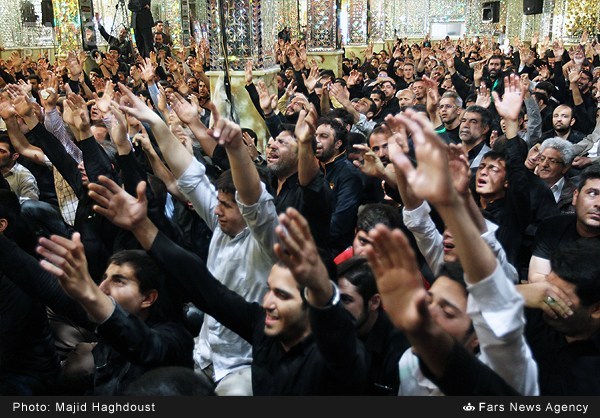

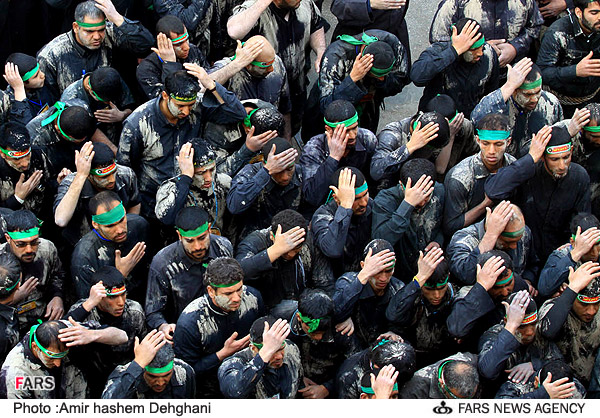
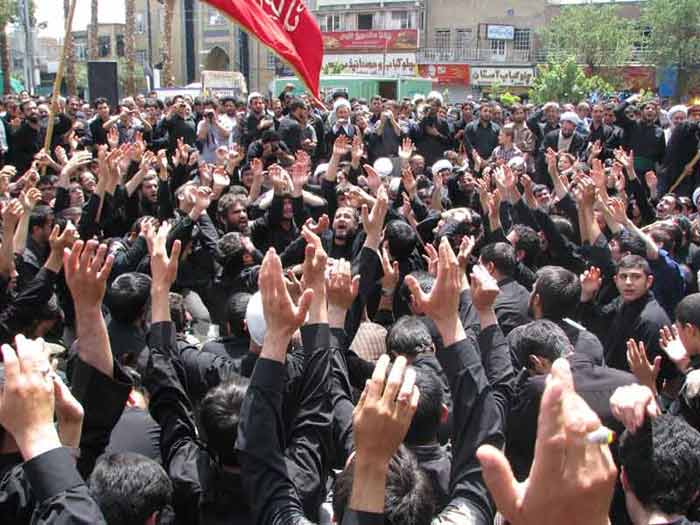
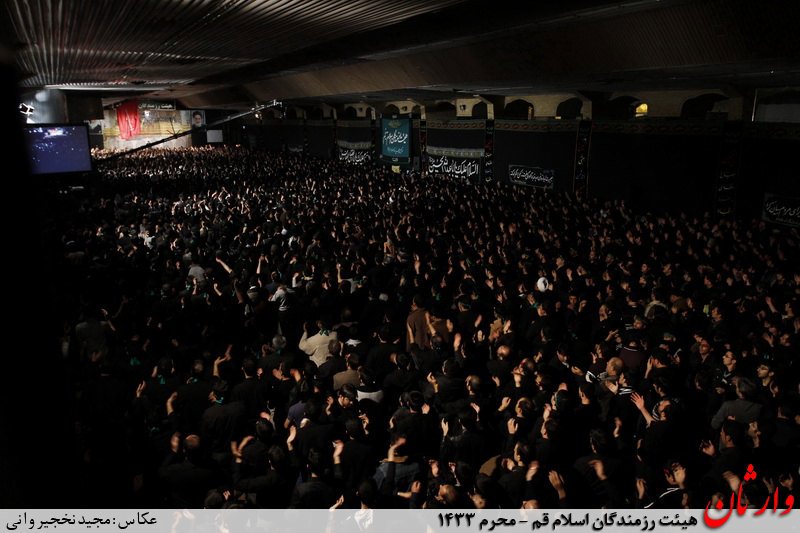
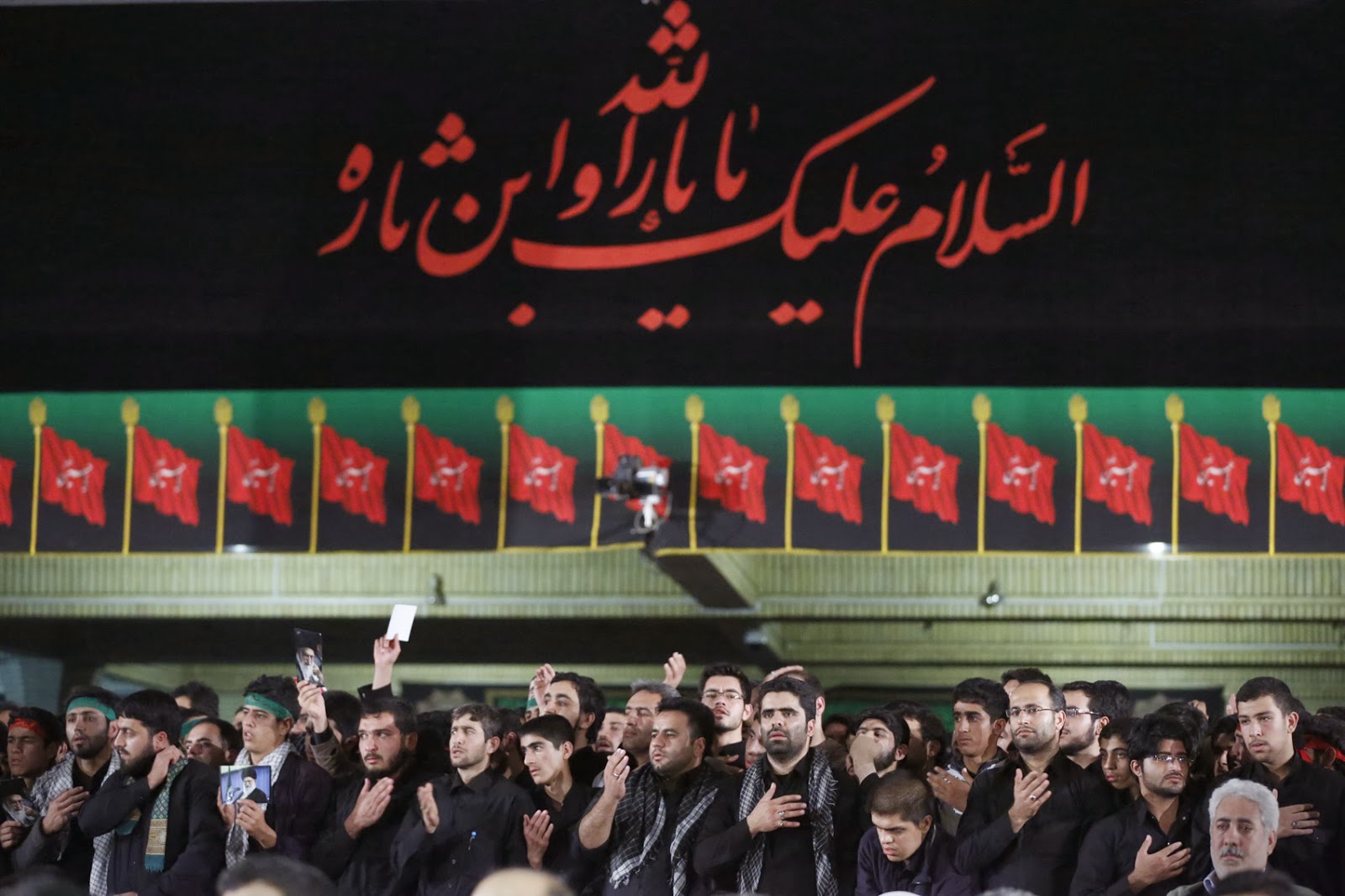

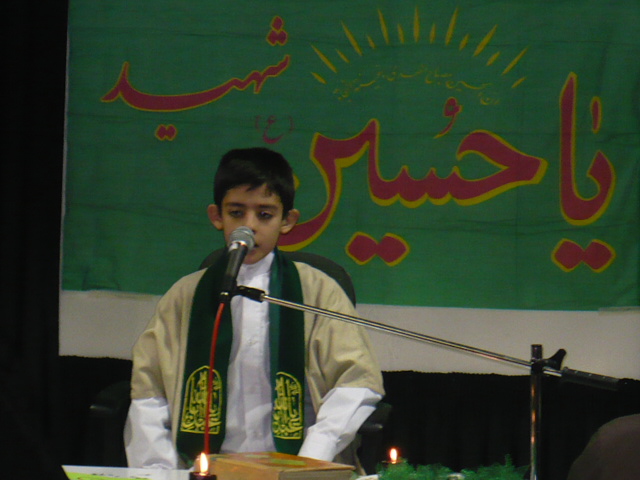

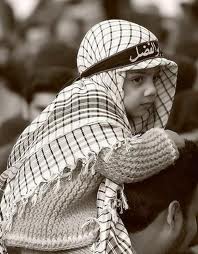
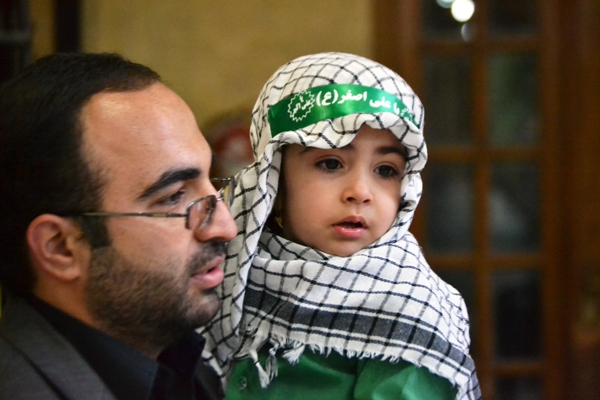
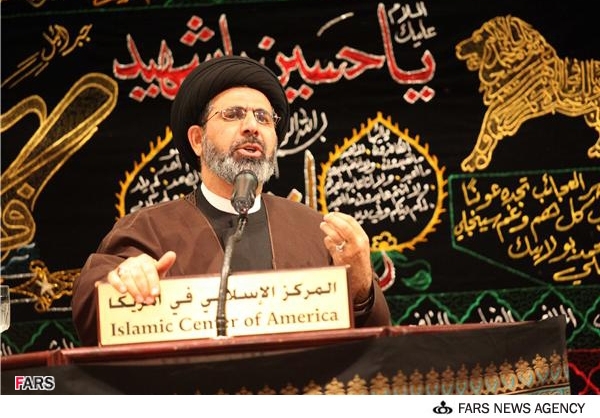
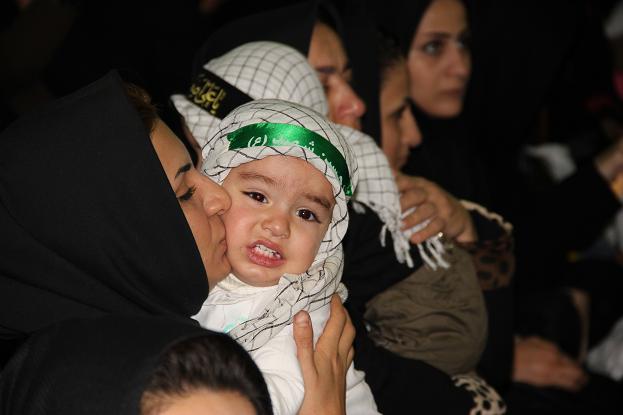
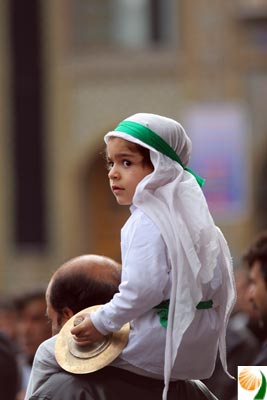
Shia Muslims commemorate Muharram
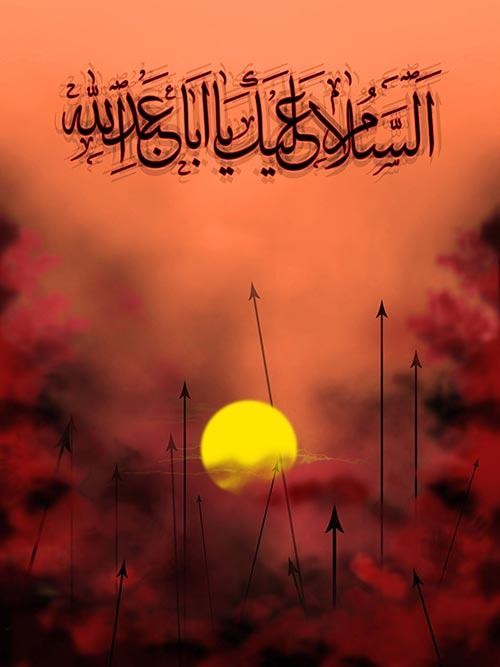
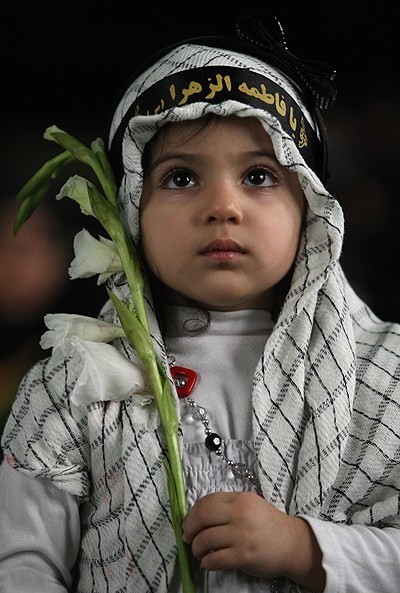
For the last fourteen hundred years, Ashura represents the battle between the good and the evil, the virtuous and the wicked. The month of Moharram in the Islamic Calendar, in which Imam Hossein, the third Shia Imam and his 72 companions were martyred, does signify martyrdom in the face of injustice, a feeling prevalent even today across the Muslim world.
Muslims believe Imam Hossein stood up against the tyrant of the time to safeguard and protect Islam and guide fellow Muslims. This year, however, the marking of Moharram has particular significance. Because in the Middle East, Muslim nations have fought for their right to self-determination, a reflection not lost in the remembrance of this historic event.
The tragedy of Karbala has taught Muslims a vital lesson: the numerical superiority does not count when it comes to the right fighting the wrong. In the plains of Karbala, Imam Hussein's followers gave up everything humanly possible in the way of God to show how the right is the might, how the blood of the innocent could win over the sword of the tyrant, and how to achieve victory despite being oppressed
Muslims believe Imam Hossein stood up against the tyrant of the time to safeguard and protect Islam and guide fellow Muslims. This year, however, the marking of Moharram has particular significance. Because in the Middle East, Muslim nations have fought for their right to self-determination, a reflection not lost in the remembrance of this historic event.
The tragedy of Karbala has taught Muslims a vital lesson: the numerical superiority does not count when it comes to the right fighting the wrong. In the plains of Karbala, Imam Hussein's followers gave up everything humanly possible in the way of God to show how the right is the might, how the blood of the innocent could win over the sword of the tyrant, and how to achieve victory despite being oppressed
+ نوشته شده در ۱۳۹۲/۰۸/۲۳ ساعت 12:46 توسط مهندس صنایع
|
